

Decoding Diesel Economics: How Global Trends Impact Local Business Costs

In today’s fast-paced business environment, energy costs are no longer just a line item in the budget; they directly impact profitability. Diesel, as a primary fuel for industries, logistics, and commercial vehicles, plays a pivotal role in local business costs. Global trends in crude oil prices, geopolitical shifts, and sustainability movements directly influence diesel pricing in India, making it essential for businesses to understand these d...
Read More
Where every drop of fuel is optimized by intelligent circuits.

Cost Optimization in Fuel Management: Efficiency Strategies  

In the competitive landscape of modern industry, managing operational expenses is a constant, strategic battle. Among the most significant of these is the cost of fuel, a volatile and critical component for any business reliant on machinery, generators, or a network of vehicles. For procurement and operations leaders, simply reacting to market price fluctuations is not enough. The key to long-term profitability and resilience lies in a proactive...
Read More
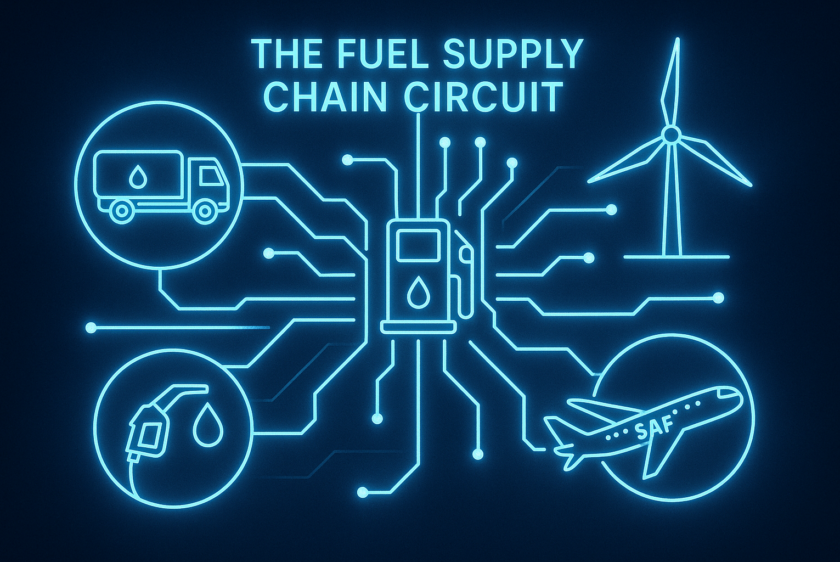
Digital fuel supply chain circuit connecting diesel delivery, mobile petrol pump, wind turbine, and sustainable aviation fuel for future-ready logistics.

Fuel Procurement 2025: Emerging Trends & Predictions 

The global fuel landscape in 2025 is defined by a central paradox: a forecasted abundance of supply coexisting with a complex web of heightened risks. For procurement professionals, this isn’t just a market; it’s a high-stakes puzzle that demands a new level of foresight, technological agility, and strategic resilience. The old playbooks for managing price volatility and supply chain logistics are no longer enough. A fusion of digital...
Read More
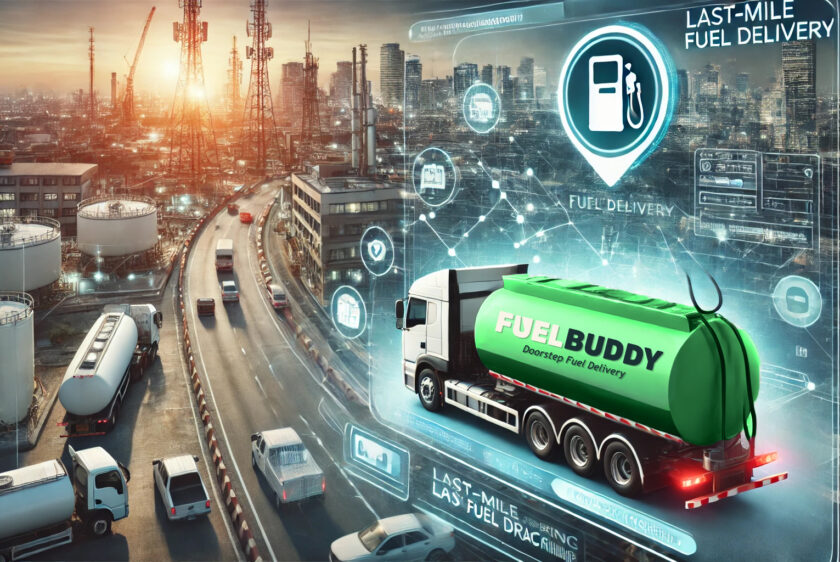
A dynamic, digital web guides a truck through a complex network of roads, visualizing how AI optimizes the fuel delivery supply chain.

Digital Transformation in Fuel Supply Chains: AI, IoT & Blockchain 

For years, the oil and gas sector operated on established, traditional processes. Managing the journey of fuel, from the refinery to the final customer, was a complex web of phone calls, manual checks, and paper trails. It was a reactive model, often slowed by human error and a lack of real-time visibility. Today, that entire paradigm is shifting. We are in the midst of a digital revolution, with technologies like Artificial Intelligence (AI), th...
Read More